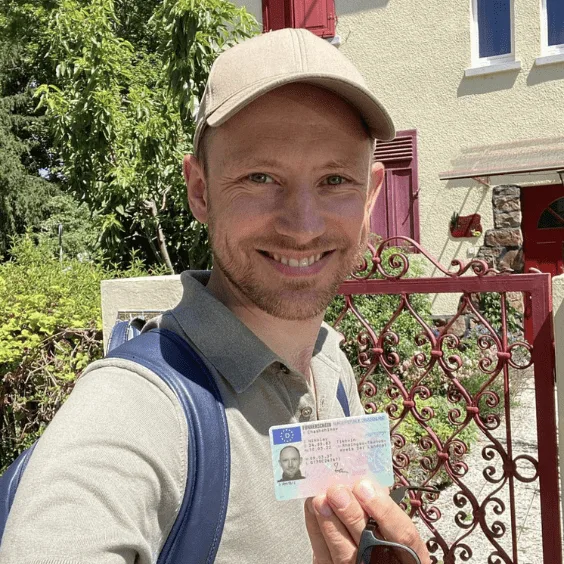
Navigating the Process of Obtaining a German Driving License
For individuals residing in or planning to transfer to Germany, getting a German driving license is a crucial step towards higher movement and independence. Whether you are an expatriate, a trainee, or a traveler, comprehending the procedure can save you time, money, and stress. This detailed guide aims to offer a detailed introduction of the steps involved in getting a German driving license, along with some regularly asked concerns and beneficial suggestions.
Summary of the German Driving License System
Germany has a well-structured and strenuous system for releasing driving licenses. The process can vary depending upon your existing driving status and the kind of license you are looking for. Usually, there are 2 main classifications of candidates:
- New Drivers: Those who have never held a driving license and are requesting the first time.
- Foreign License Holders: Individuals who already hold a valid driving license from another nation and desire to transform it to a German license.
Steps for New Drivers
For new drivers, the process of getting a German driving license includes several phases:
Theoretical Examination (Theorieprüfung)
- Preparation: Attend a driving theory course, which normally consists of 14 lessons. These lessons cover traffic guidelines, roadway signs, and safe driving practices.
- Exam: Pass a multiple-choice exam consisting of 30 concerns. You must respond to at least 25 questions correctly to pass.
Practical Training (Fahrausbildung)
- Lessons: Complete a minimum number of driving lessons, which can vary based on the kind of license you are applying for. For a standard car (B classification), you typically require a minimum of 12 lessons.
- Emergency Treatment Course: Attend an emergency treatment course, which is necessary and usually takes about 8 hours.
Practical Examination (Fahrschulprüfung)
- Exam: Pass a useful driving test, that includes a pre-test assessment, a driving test, and a post-test conversation. The test is conducted by a licensed inspector and normally lasts about 30-45 minutes.
Issuance of the License
- Application: Once you have passed both the theoretical and practical examinations, you can get your German driving license. The application is typically processed through the regional driving license office (Führerscheinstelle).
Actions for Foreign License Holders
If you currently hold a valid driving license from another nation, the procedure of obtaining a German driving license can be more simple, depending on the nation of origin:
EU/EEA and Swiss License Holders
- Exchange: You can exchange your existing license for a German one without taking any extra tests. Nevertheless, echten führerschein kaufen should apply for the exchange within six months of moving to Germany.
- Requirements: Provide your existing driving license, a valid passport or ID card, and a completed application.
Non-EU/EEA License Holders
- Acknowledgment: Some countries have mutual contracts with Germany, enabling you to exchange your license without additional tests. Examine the list of recognized countries on the German Federal Ministry of Transport and Digital Infrastructure website.
- Tests: If your nation is not on the list, you may need to take both the theoretical and practical tests. The process is similar to that of brand-new drivers, as laid out above.
Helpful Tips and Considerations
- Language: The theoretical and practical examinations are carried out in German. If you are not fluent in German, you may require to take a language course or discover an approved translation service.
- Costs: The expenses for the theory course, useful lessons, and exams can vary. Spending plan roughly EUR500-EUR1000 for the entire process.
- Waiting Times: Be prepared for possible waiting times for both the theory and practical examinations, specifically in bigger cities.
- Practice: Regular practice is vital for passing the practical exam. Consider extra session with a driving instructor or by yourself, if enabled.
Often Asked Questions (FAQs)
Q: Can I drive in Germany with a foreign driving license?
- A: Yes, you can drive in Germany with a valid foreign driving license for as much as 6 months after relocating to the nation. After that, you will require to acquire a German driving license.
Q: How long does the whole process take?
- A: The process can take a number of months, depending upon your availability for courses and exams, as well as the waiting times at the driving school and the Führerscheinstelle.
Q: Can I take the examinations in a language aside from German?
- A: The tests are carried out in German. However, you can utilize an approved translation service to help you comprehend the concerns and guidelines.
Q: What if I fail the tests?
- A: If you stop working either the theoretical or practical exam, you can retake it after a certain waiting duration, which is generally a few weeks. You might require to participate in extra courses or practice sessions before retaking the exam.
Q: Are there any age limitations for acquiring a German driving license?
- A: Yes, you must be at least 18 years old to acquire a standard car driving license (B classification). For other categories, such as bikes or trucks, the age requirements may vary.
Obtaining a German driving license is a significant action for anyone living in Germany, using greater liberty and access to various parts of the nation. While the process can be rigorous, it is developed to make sure that drivers are well-prepared and knowledgeable about German traffic laws and safe driving practices. By following the actions detailed in this guide and preparing completely, you can successfully browse the procedure and delight in the benefits of driving in Germany.
Whether you are a new driver or a foreign license holder, the secret to success is perseverance, preparation, and a commitment to knowing. Excellent luck on your journey to getting a German driving license!